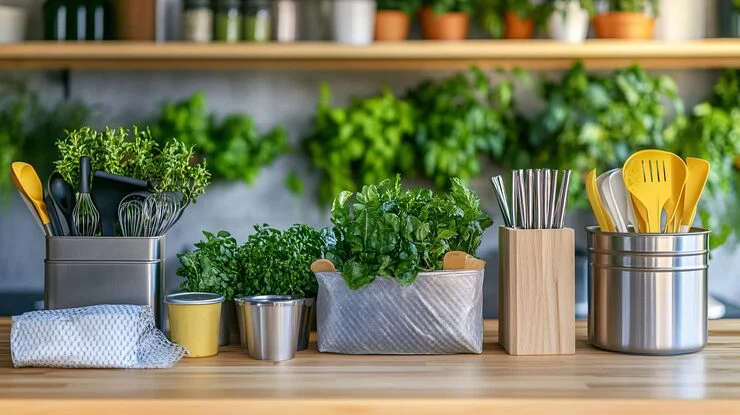
You don't need a Pinterest-perfect pantry or a complete kitchen overhaul to cut down on waste. These 15 zero waste kitchen swaps for beginners are simple, budget-friendly, and designed to fit into the kitchen you already have — starting today.
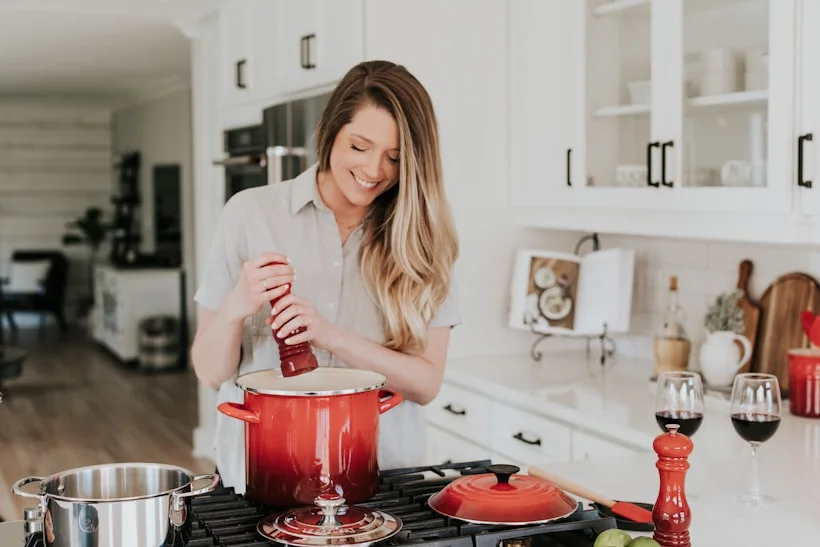
A zero waste kitchen doesn't have to be expensive or extreme — small swaps add up fast.
If you're trying to reduce your environmental footprint, the kitchen is the single best place to start. It's the room in your home that generates the most daily waste — paper towels, plastic wrap, food packaging, single-use bags, and food scraps all pile up fast, often without us noticing.
of the U.S. food supply goes to waste every year, according to the USDA — and kitchen habits play a huge role in that number.
The good news: the kitchen is also the easiest room to fix. Most zero waste kitchen swaps for beginners don't require new appliances or a total lifestyle overhaul — just a handful of reusable items that replace the disposable ones you're already buying on repeat. Within a few months, many of these swaps actually save you money, since you stop repurchasing the same single-use products over and over.
This guide walks through 15 practical, beginner-friendly swaps — ranked from easiest to slightly more involved — so you can start wherever feels manageable.
Plastic cling wrap is one of the most wasteful items in any kitchen — used once, then thrown away. Beeswax wraps (cotton cloth infused with beeswax, tree resin, and jojoba oil) mold to bowls and food with the warmth of your hands and can be washed and reused for a year or more.

Beeswax wraps are one of the most popular entry points into zero waste kitchen swaps.
Those thin plastic bags at the grocery store for fruits and vegetables are used for minutes and then discarded. Mesh or cotton produce bags are washable, see-through (so cashiers can still scan or check produce), and tare-weight friendly at most stores.
Mason jars and repurposed jars from sauces or jams are sturdy, don't stain or absorb odors the way plastic does, and are microwave and dishwasher safe. They also make your pantry look a lot more organized — a nice side effect.
The average household uses thousands of paper napkins per year. A set of 8–12 cloth napkins in your laundry rotation eliminates that completely, and they tend to look nicer at the table too.
Unpaper towels — washable cloth rolls that mimic the size and function of paper towels — can replace dozens of paper rolls per year. They're especially useful for spills and quick wipe-downs where a full kitchen towel feels like overkill.

Swapping paper towels for washable cloth is one of the highest-impact, lowest-effort changes you can make.
A small countertop compost bin with a charcoal filter makes it easy to collect vegetable peels, coffee grounds, and eggshells without odor. Many U.S. cities now offer municipal compost pickup, or you can drop scraps at a local farmers market collection point if you don't have outdoor space.
Solid dish soap bars work the same way as bar shampoo — load up a brush or sponge and go. They eliminate the plastic bottle entirely and tend to last significantly longer than liquid versions per ounce.
Single-use plastic straws are one of the most commonly cited "gateway" zero waste swaps. A reusable straw with a small cleaning brush, kept in your bag or car, removes the need for plastic straws at restaurants and at home.
Many grocery stores — especially natural food co-ops, Whole Foods, and Sprouts — offer bulk bins for grains, nuts, spices, and dried goods. Bring your own jar or cloth bag, weigh it empty (tare), fill it up, and skip the packaging entirely.
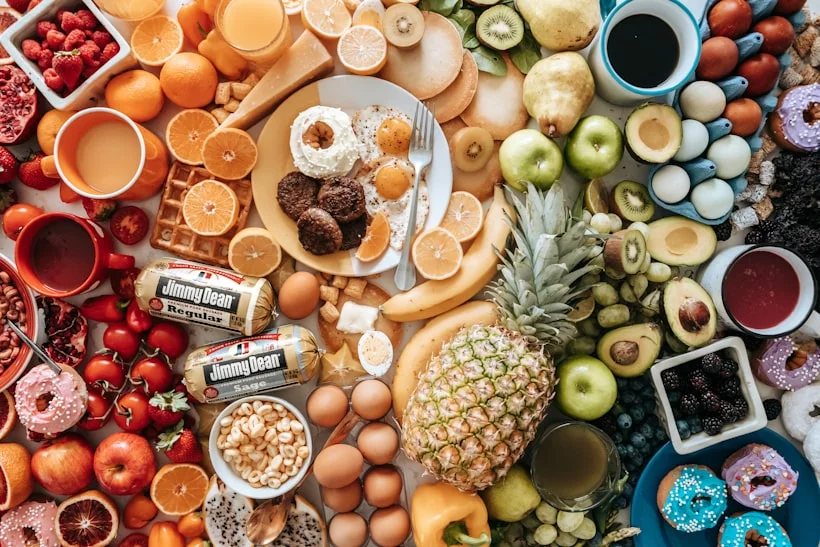
Bulk bin shopping is one of the most effective zero waste swaps — and often saves money too.
Reusable silicone bags stand up on their own, seal tightly, and can go straight from freezer to microwave. One set typically replaces hundreds of single-use plastic bags over its lifetime.
Beyond reducing plastic, wooden and bamboo utensils are gentler on nonstick cookware and tend to last for years with basic care (hand wash, occasional oiling).
Many tea bags — even "paper" ones — contain a thin plastic mesh (polypropylene) that doesn't fully biodegrade. A reusable infuser with loose leaf tea skips that issue entirely and often tastes noticeably better.
Cleaning product concentrates (just add water) paired with a reusable glass spray bottle eliminate the cycle of buying a new plastic spray bottle every time you run out of cleaner.
Standard kitchen sponges are made of plastic foam and shed microplastics as they break down. Loofah sponges and compostable cellulose sponges do the same job and can go straight into your compost bin at the end of their life.
A stainless steel or cloth reusable coffee filter eliminates the daily habit of throwing away a paper filter. If you're a daily coffee drinker, this is one of the swaps with the fastest payback period.
One of the biggest reasons people abandon zero waste habits is trying to do everything at once. A more sustainable (pun intended) approach is to use what's called the "use it up first" method:
Buying everything new at once. The most "zero waste" version of any swap is using something you already own. Repurpose old t-shirts as cleaning rags before buying a new set of unpaper towels.
Assuming "biodegradable" packaging is automatically better. Many biodegradable products require industrial composting facilities to actually break down — and most U.S. municipalities don't have access to one. Check before assuming.
Ignoring food waste in favor of packaging swaps. Packaging gets a lot of attention, but wasted food is a much larger environmental issue. Meal planning and proper food storage often have a bigger impact than any product swap.
Feeling guilty about imperfection. A zero waste kitchen is a direction, not a destination. Progress matters far more than perfection — and a sustainable habit that lasts five years beats a perfect routine that burns out in five weeks.

Small, consistent swaps build a sustainable kitchen that actually sticks.
There's usually a small upfront cost for reusable items, but most pay for themselves within a few months because you stop repurchasing disposable versions. Long-term, a zero waste kitchen typically costs less.
No. Even adopting 2–3 swaps consistently makes a measurable difference in the amount of waste your household sends to landfill each year. Consistency matters more than completeness.
Reusable produce bags or beeswax wraps tend to be the easiest entry point — low cost, no behavior change required, and immediate impact.
Yes. Most of these swaps — beeswax wraps, cloth napkins, reusable bags, a small countertop compost bin — require minimal space and work well in apartments.
A zero waste kitchen isn't about achieving some impossible standard of perfection — it's about steadily replacing single-use habits with reusable ones that fit naturally into your daily routine. Start with one swap. Build the habit. Move to the next. Within a year, you'll likely find that your kitchen produces a fraction of the waste it used to — and that your grocery and household budget is healthier for it too.
Bookmark this guide, pick your first swap, and come back as you work through the list. Small changes, repeated consistently, are what actually move the needle.

No reviews yet!