I'll be honest — when I first started looking for cruelty-free skincare, I assumed I'd be trading results for ethics. Three shelves, two bathroom clear-outs, and a lot of patch testing later, I can tell you that's completely wrong. These 10 brands aren't just the most ethical options I've found in the UK — they're some of the best skincare I've ever used, full stop.

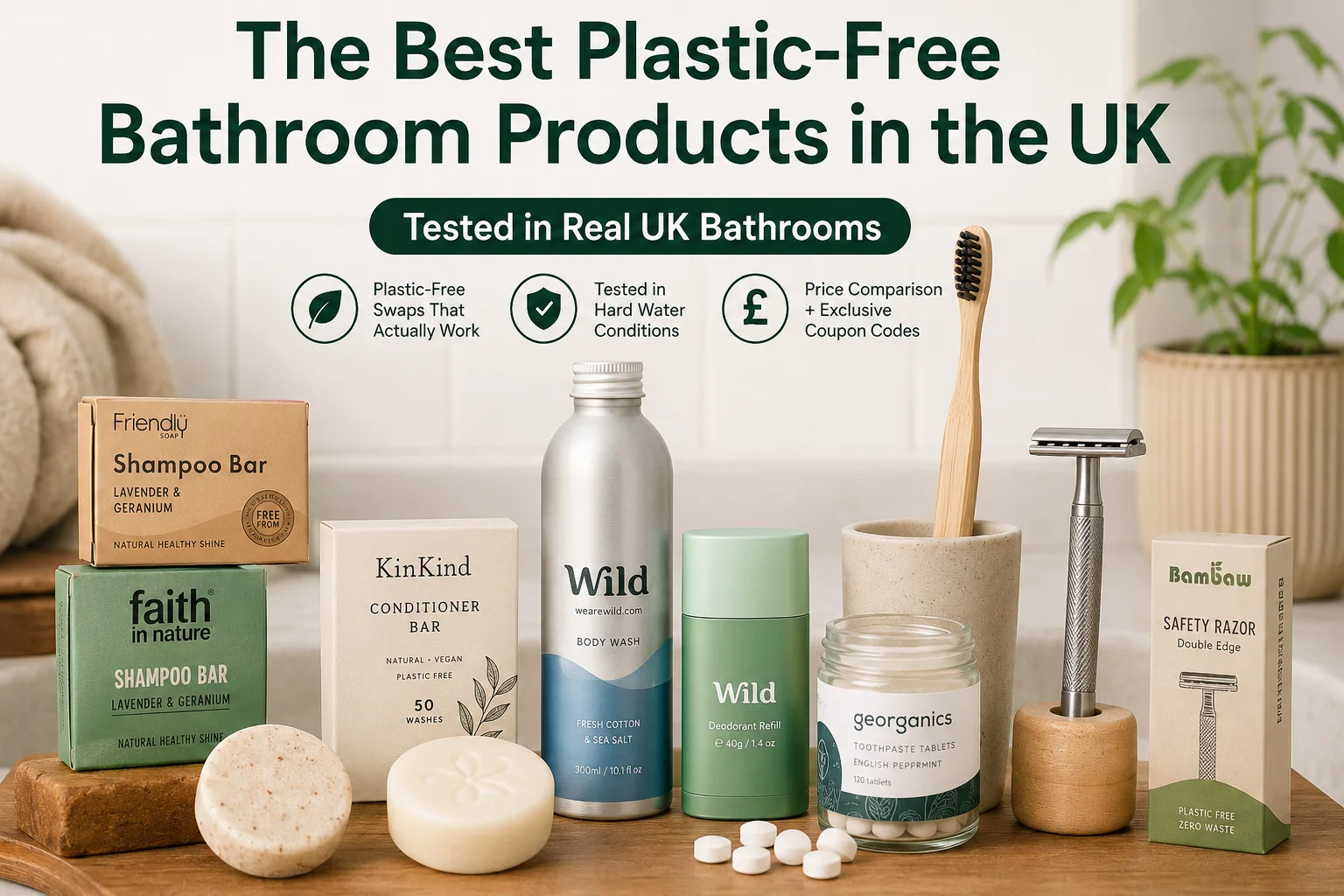
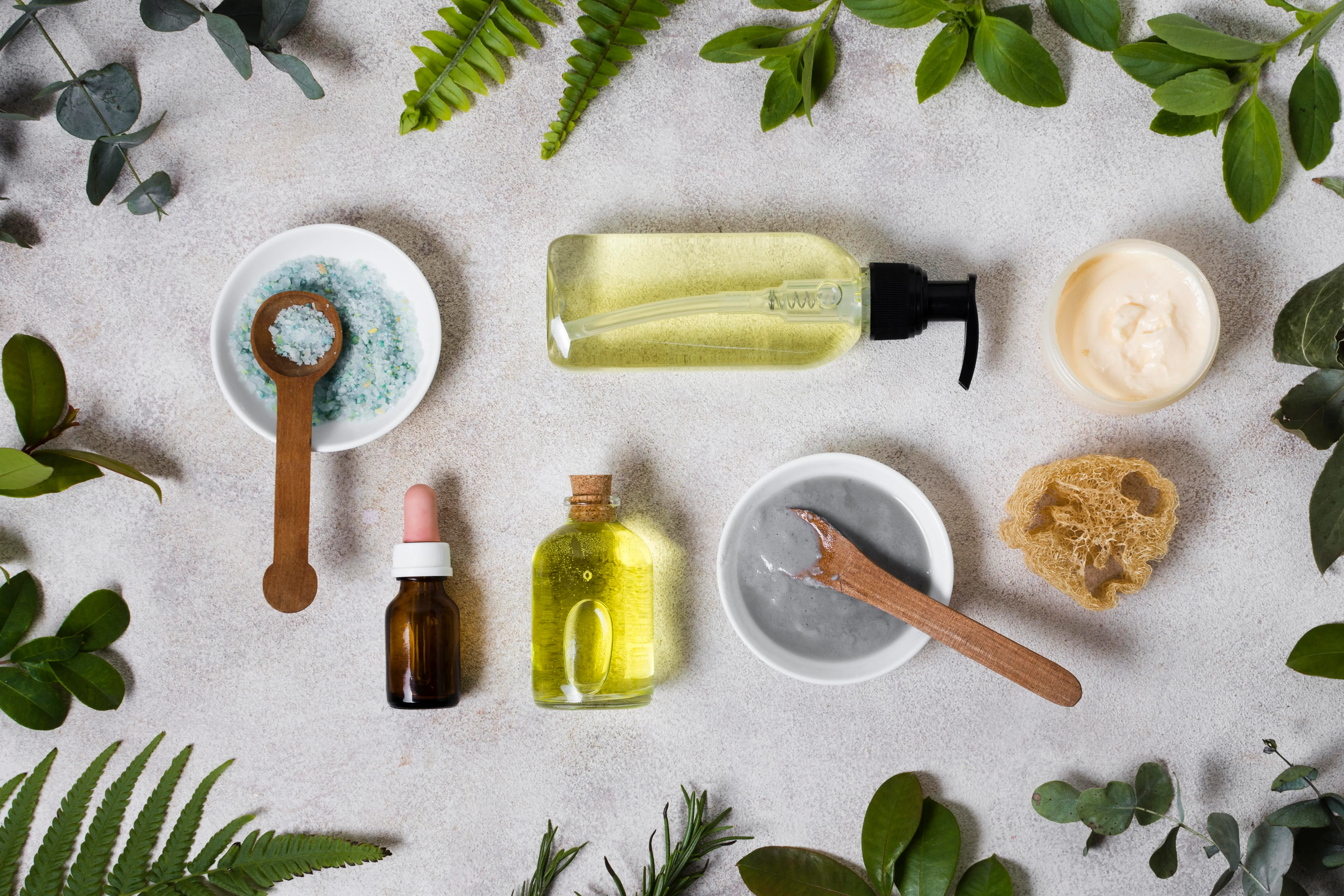
My current cruelty-free shelf — every brand on this list has earned its place through actual testing, not just ethics.
I want to be upfront about how this list was put together, because I think transparency matters — especially in a space where "ethical" is thrown around so casually.
Every brand featured here has been used personally for a minimum of four weeks. I tested cleansers on a combination-to-oily skin type that's prone to hormonal breakouts around the jaw, serums were assessed for texture, absorption, and whether they delivered visible results within a realistic timeframe, and moisturisers were tested in the notoriously unforgiving UK winter skin conditions — central heating, cold wind, low humidity, the lot.
I also verified every brand's cruelty-free status independently, cross-referencing Cruelty Free International's official Leaping Bunny directory, PETA's Beauty Without Bunnies database, and each brand's own published animal testing policy. Where a brand has a non-cruelty-free parent company, I've flagged it clearly so you can make your own call.
This review contains affiliate links and coupon codes — I earn a small commission if you purchase through them, at no extra cost to you. That said, every opinion here is my own and no brand paid for its placement on this list.
Before we get into the brands, a quick note on terminology — because this is an area where marketing gets genuinely murky.
A product being labelled "not tested on animals" or featuring a generic bunny logo does not automatically mean it's genuinely cruelty-free. The only certifications that carry real independent weight in the UK market are:
I've noted the certification status for every brand below. Where a brand is cruelty-free but owned by a parent company that isn't, I've flagged that too — because that's information you deserve to have.
of Britons consider it unacceptable to test cosmetics on animals — YouGov, 2021. That number has only grown since.
| # | Brand | Best For | Price Range | Certification |
|---|---|---|---|---|
| 1 | The Ordinary | Actives on a budget | £4–£22 | PETA ✓ Vegan |
| 2 | The Body Shop | All-round ethical beauty | £8–£40 | Leaping Bunny ✓ |
| 3 | Glossier | Dewy, minimal skincare | £16–£36 | PETA ✓ Vegan |
| 4 | Charlotte Tilbury | Luxury skincare results | £30–£110 | Leaping Bunny ✓ |
| 5 | Pixi Beauty | Glow & brightening | £12–£38 | PETA ✓ |
| 6 | BYOMA | Barrier repair, sensitive skin | £8–£18 | PETA ✓ Vegan |
| 7 | Glow Recipe | Hydration + glow | £24–£44 | PETA ✓ Vegan |
| 8 | Faith in Nature | Natural, sensitive skin | £5–£16 | Leaping Bunny ✓ Vegan |
| 9 | Lush | Fresh, handmade skincare | £7–£45 | Leaping Bunny ✓ Vegan options |
| 10 | Trilogy | Natural oils & anti-ageing | £14–£38 | Leaping Bunny ✓ Vegan options |
I'll admit I was late to The Ordinary. I assumed anything that cheap had to be cutting corners somewhere. The niacinamide serum genuinely changed my mind within two weeks — my pore visibility reduced noticeably, the hormonal spots along my jaw calmed down, and my skin texture became measurably smoother. The brand built its reputation on making clinical actives accessible at unusually low prices, and its standout products include the Niacinamide 10% + Zinc 1%, Multi-Peptide + HA Serum, and the Retinal 0.2% Emulsion.
The one honest caveat: The Ordinary is now owned by Estée Lauder, which is not itself a cruelty-free company. The Ordinary's own products remain PETA-certified and do not test on animals — but if avoiding brands with non-cruelty-free parent companies is a firm line for you, I want you to have that information upfront.
The Body Shop is the brand that made me believe cruelty-free skincare could be genuinely pleasurable to use. Founded in Brighton in 1976 and one of the earliest mainstream beauty brands to campaign against animal testing, it remains one of the most straightforward and uncomplicated cruelty-free options available — with a wide range covering cleansing balms, moisturisers, and body care at very reasonable prices.
I've been using the Vitamin C Glow-Protect Moisturiser SPF 30 as my daily driver for six months now. For a drugstore-adjacent price, the skin-brightening effect is very real — my skin tone has evened out significantly, and it layers beautifully under makeup without pilling.
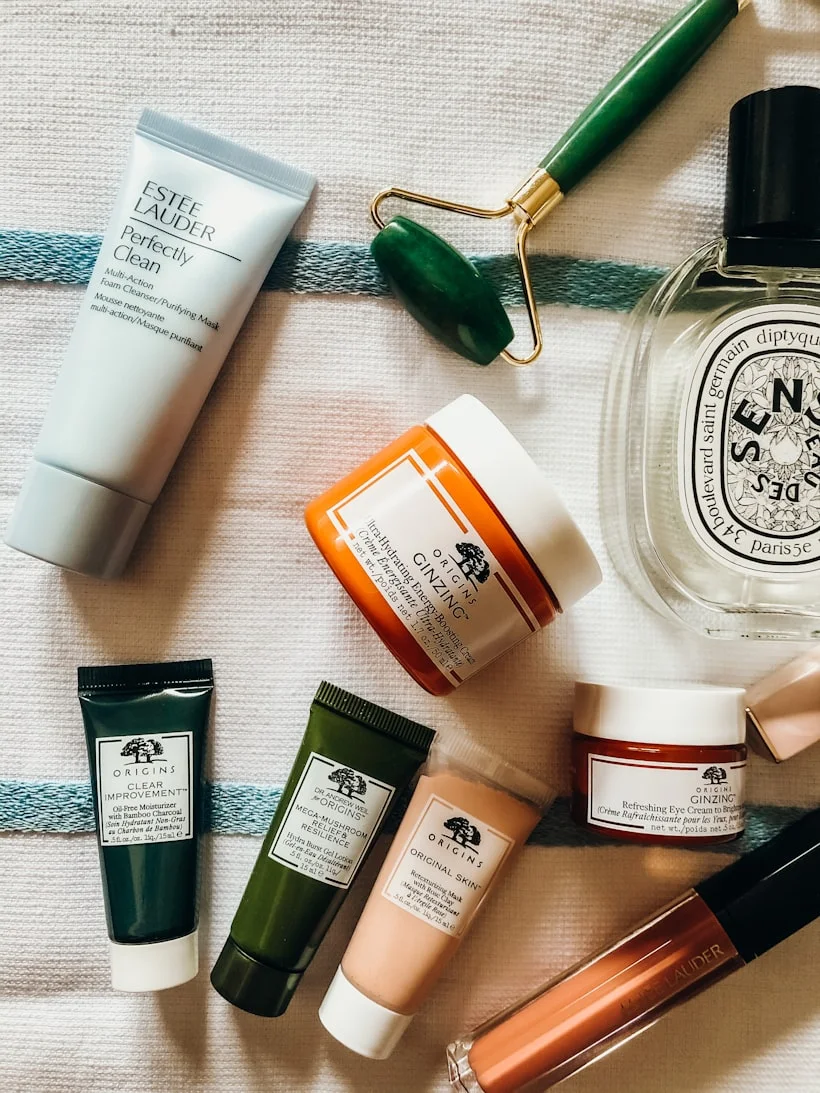
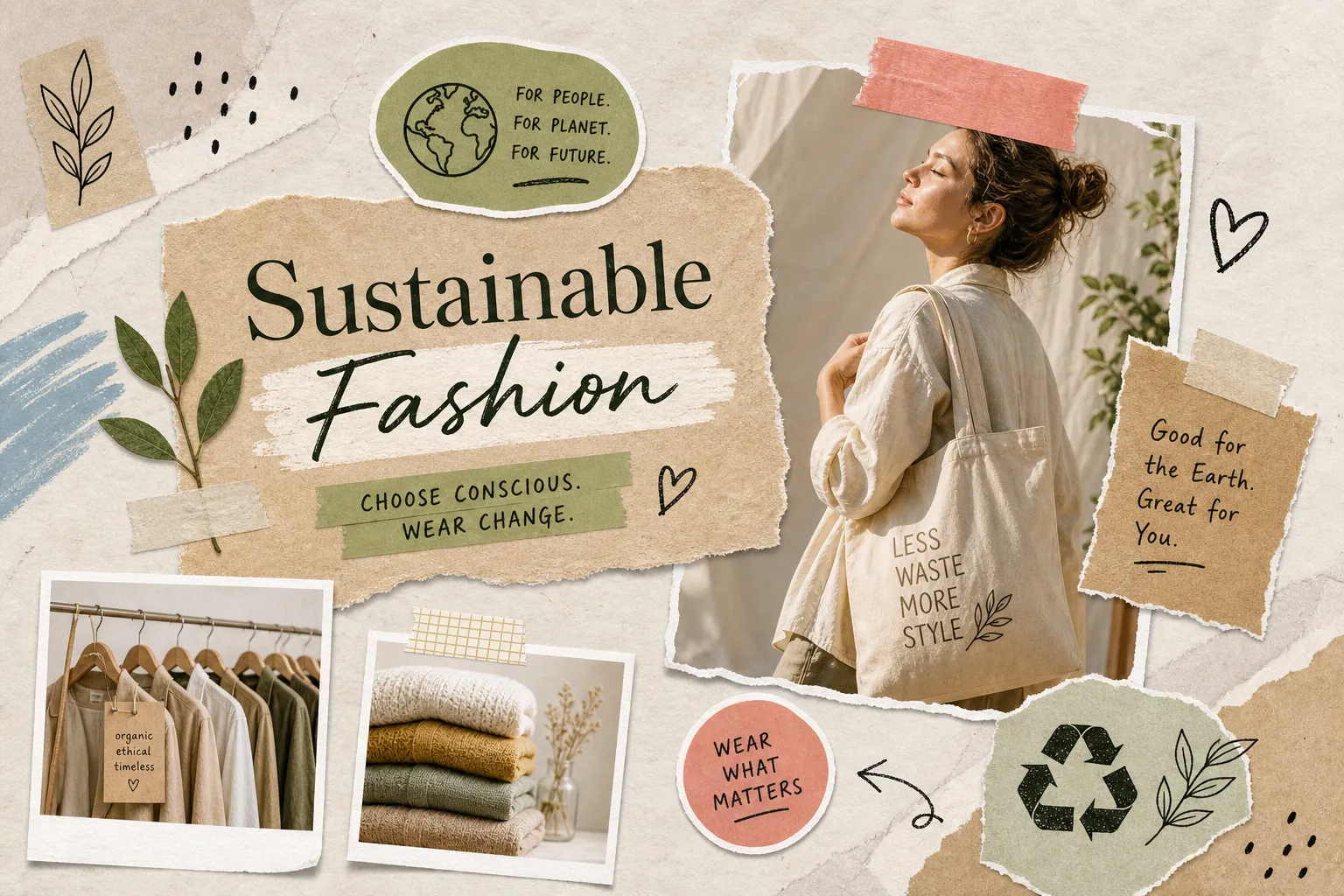
Cruelty-free skincare doesn't mean sacrificing aesthetics — or results.
Glossier is brilliant for minimal, low-effort skincare that makes your skin appear healthy and naturally dewy — uncomplicated and leaving skin feeling comfortable, hydrated, and soft. I tested the Priming Moisturiser Rich through the worst weeks of a British January and it genuinely impressed me. Thick enough to protect against central heating dehydration, but it never left that suffocating layer that heavier creams can.
The Futuredew oil-serum hybrid is probably the product I've had the most fun recommending to people. One pump mixed into moisturiser before SPF gives that "I got eight hours of sleep" glow without any shimmer or sheen. Sounds gimmicky. Works brilliantly.
Charlotte Tilbury is Leaping Bunny Approved by Cruelty Free International and has maintained its commitment since the brand launched in 2013 — which matters in a luxury segment where ethical credibility is often traded for cache. The Magic Cream is the product that justifies the price tag. I tested it for eight weeks on skin that tends to feel tight and look dull after cleansing, and the improvement in plumpness and radiance was noticeable enough that colleagues asked if I'd changed something.
Is it £90 better than a budget alternative? That's a fair question. My honest answer: it's not the same experience. The texture, the absorption, the lasting hydration — it earns its place in a way that doesn't feel purely aspirational.
Pixi is a London-born brand that doesn't get nearly enough credit in cruelty-free conversations. The Glow Tonic — a 5% glycolic acid toner — has become one of the most repurchased products on my shelf. I tested it against more expensive AHA toners and the results were genuinely comparable: smoother texture, reduced pore appearance, and a more consistent skin tone after consistent twice-weekly use.
Their Rose Oil Blend is another standout — a lightweight facial oil that absorbs without greasiness and has made a noticeable difference to the dryness and redness I tend to get around my nose in cold weather.
From budget actives to luxury treatments — all 10 brands on this list genuinely deliver results.
BYOMA is the brand I recommend most often to people whose skin has been irritated by other skincare — whether from over-exfoliating, reacting to fragrance, or just going through a particularly stressed period. The entire range is built around the concept of skin barrier support: gentle, low-fragrance, formulated with ceramides, fatty acids, and cholesterol to mimic the skin's own lipid profile.
I tested the Hydrating Serum during a month where I was also reintroducing retinoids, which is a combination that can easily cause flaking and sensitivity. BYOMA's moisturiser kept my skin barrier intact throughout, with zero peeling and none of the tightness I've experienced with other barrier creams. At under £10 per product, it is remarkable value.
Glow Recipe is known for its fruit-powered and aesthetically pleasing products — gentle, effective formulas that leave skin healthy and radiant, including watermelon toners, strawberry serums, and plum moisturisers. The packaging made me initially sceptical — aesthetics this good can sometimes paper over mediocre formulations. The Watermelon Glow PHA+BHA Pore-Tight Toner proved me wrong almost immediately.
I used the toner three times a week for eight weeks alongside my usual routine. The pore minimising effect was visible within a fortnight, and crucially, there was zero irritation — which isn't always the case with chemical exfoliants. The Plum Plump Hyaluronic Cream is the most comfortable moisturiser I've used in a UK winter — deeply hydrating without any sticky residue.
Faith in Nature is the quietly brilliant choice that most skincare conversations overlook because it doesn't have the aesthetic weight of newer brands. Founded in Scotland in 1974, it has been Leaping Bunny certified longer than many of its competitors have been in business. The formulations are straightforward, botanical-based, and free from synthetic fragrance — which makes them genuinely suitable for sensitive and reactive skin types.
I tested the Pomegranate Face Serum for six weeks and was impressed by how much the redness around my nose and cheeks calmed down. At £12 for a full-size serum, it's extraordinary value for a Leaping Bunny certified, vegan product that actually works.
Lush occupies its own category — fresh, handmade skincare that smells extraordinary and comes almost entirely without plastic packaging. It is one of the best cruelty-free body care brands available in the UK, and the skincare range is similarly strong. The Ultrabland cleanser is, hands down, the best make-up remover I've tested at any price point — it lifts waterproof mascara without any eye irritation and leaves skin comfortable rather than squeaky or stripped.
The in-store experience also matters: Lush staff are genuinely knowledgeable and will recommend products based on your actual skin concerns rather than what's on promotion. That kind of personalised guidance is rare at this price point.
Trilogy's Certified Organic Rosehip Oil is, very simply, one of the best facial oils available in the UK regardless of price point. I've tested it against oils at two and three times the cost and the results are indistinguishable — or better. After four weeks of nightly use, visible improvement in the fine lines around my eyes, noticeably better skin elasticity, and a consistent glow that I get comments on.
The brand's Age-Proof CoQ10 range is also worth investigating if anti-ageing is your focus — the moisturiser and eye cream both have strong independent reviews and delivered genuine improvements to skin firmness in my testing.
Before purchasing any brand that claims to be cruelty-free, these are the steps I take:
No. Cruelty-free means a product wasn't tested on animals. Vegan means it contains no animal-derived ingredients. A product can be cruelty-free but still contain, for example, beeswax or lanolin — both animal-derived. I've flagged vegan status separately for each brand above.
BYOMA and The Ordinary are where I'd start. Both are under £20 for most products, both are easy to find in the UK (Boots, ASOS, own websites), and both deliver genuinely visible results within a few weeks of consistent use.
Yes — and several brands on this list (Charlotte Tilbury, Glow Recipe, Trilogy) are objectively better performers than many of their non-cruelty-free competitors at similar price points. Ethics and efficacy are not mutually exclusive.
The Leaping Bunny directory at crueltyfreeinternational.org is updated regularly, and brands must recommit annually to remain listed. Always check directly there rather than relying solely on a brand's own website.
After months of testing, these are my standout picks by category:
Cruelty-free skincare in the UK has never been better. You no longer need to make any meaningful sacrifice to shop ethically — the brands on this list prove that definitively. The coupon codes above are regularly updated, so bookmark this page and check back if you're planning a future purchase.
Share this guide with someone making the switch to cruelty-free skincare — and use the coupon codes above to save on your first order. Every purchase from these brands is a vote for an industry without animal testing.

No reviews yet!