“Sip Better. Live Longer”
You already know soda is bad for you.
But here’s the thing nobody really talks about it’s not just soda. It’s the “healthy” orange juice you pour every morning. The sports drink you grab after the gym. The flavored latte feels like a small reward after a long day. These drinks are quietly adding hundreds of calories to your day, and your body doesn’t even register them as food.
What You Will Learn:
-
15 drinks containing 5 grams or less of sugar per serving
-
Scientific evidence supporting each beverage choice
-
Eco-friendly brands prioritizing sustainable packaging
-
Practical preparation methods for home consumption
-
Environmental impact comparisons across drink categories
That’s the frustrating part. You could eat a full meal and feel satisfied. But drink 300 calories worth of juice? You’ll be hungry again in an hour, and you won’t even connect the two.
Here’s what actually changes things: replacing those liquid calories not with boring plain water you’ll give up in three days, but with drinks you’ll genuinely want to reach for. Drinks that work with your body instead of against it.
That’s exactly what this list is. Fifteen options, each one backed by real research, each one explained so you know why it helps, not just that it does.
What Makes a Drink “Low Sugar”?
A low sugar drink contains 5 grams or less of sugar per serving. For context, a regular 12-ounce soda sits at around 39 grams more than the entire daily limit recommended by the American Heart Association for women (25g) and close to the limit for men (36g).
The difference matters because liquid sugar doesn’t behave like sugar from food. When you eat a piece of fruit, the fiber slows down how fast the sugar hits your bloodstream. When you drink juice, that same sugar floods your system fast, spiking your blood sugar, triggering an insulin response, and leaving you hungry sooner than you expect.
Swapping even one sugary drink per day removes roughly 150 calories and 39 grams of sugar. Over a week, that’s more than 1,000 calories. It sounds small until you do that math.
15 Best Low Sugar Drinks
1. Plain and Sparkling Water
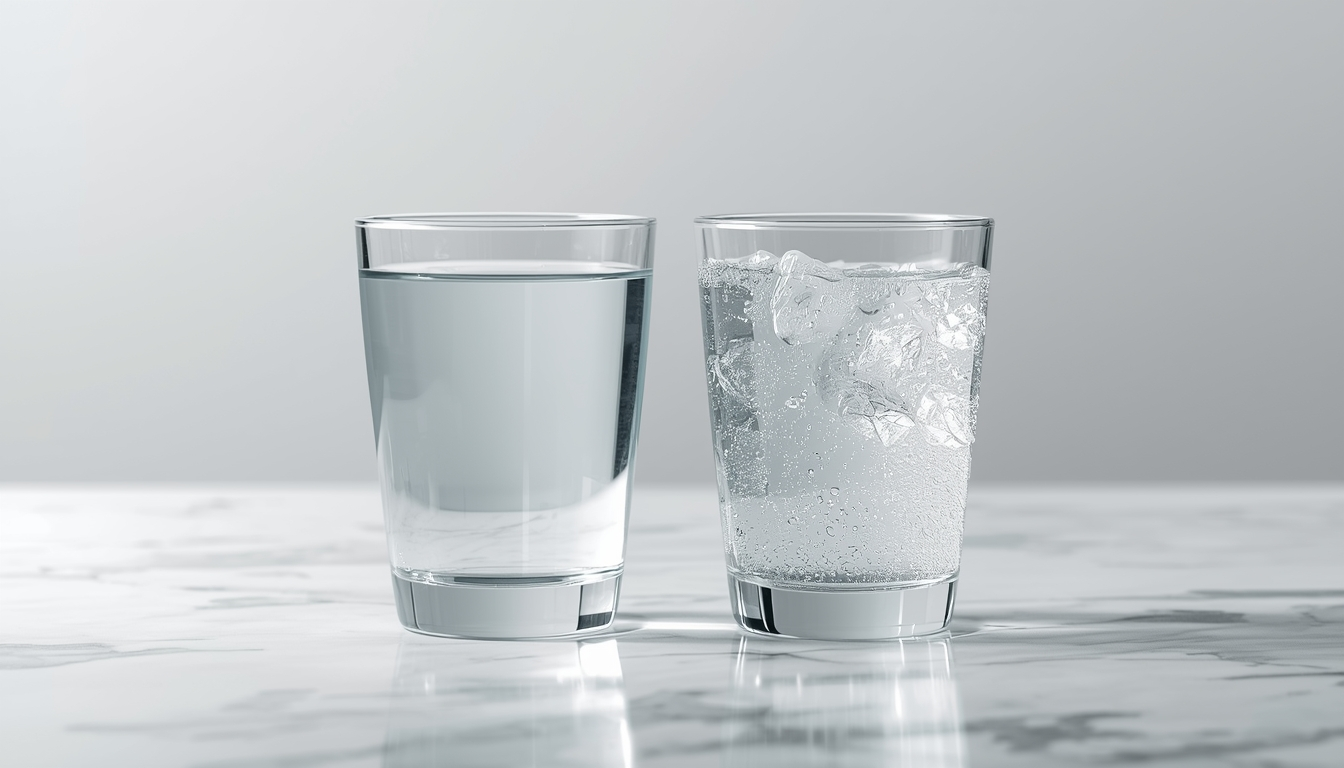
Yes, we’re starting here. Not because it’s exciting, it’s not, but because everything else on this list works better when you’re already well hydrated, and most people aren’t.
Mild dehydration, the kind most of us walk around with all day, slows your metabolism by around 2-3%. It also mimics hunger. You reach for a snack when what your body actually needed was water.
If plain water bores you, sparkling water is a legitimate upgrade. Same zero sugar, zero calories, but the carbonation gives it a texture that actually satisfies the urge to drink something interesting. It’s the easiest replacement for someone who misses the fizz of soda.
Make it work for you: Keep a large glass on your desk. You’ll drink it without thinking about it.
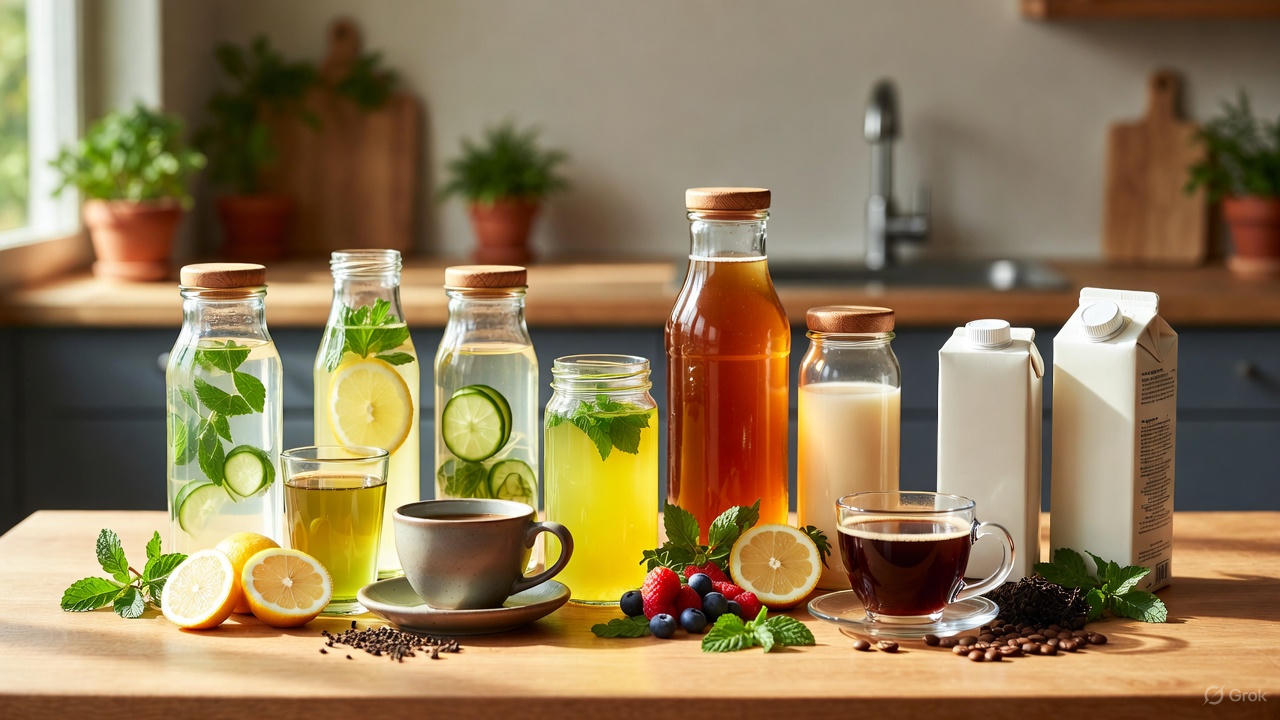
2. Infused Water with Fresh Ingredients
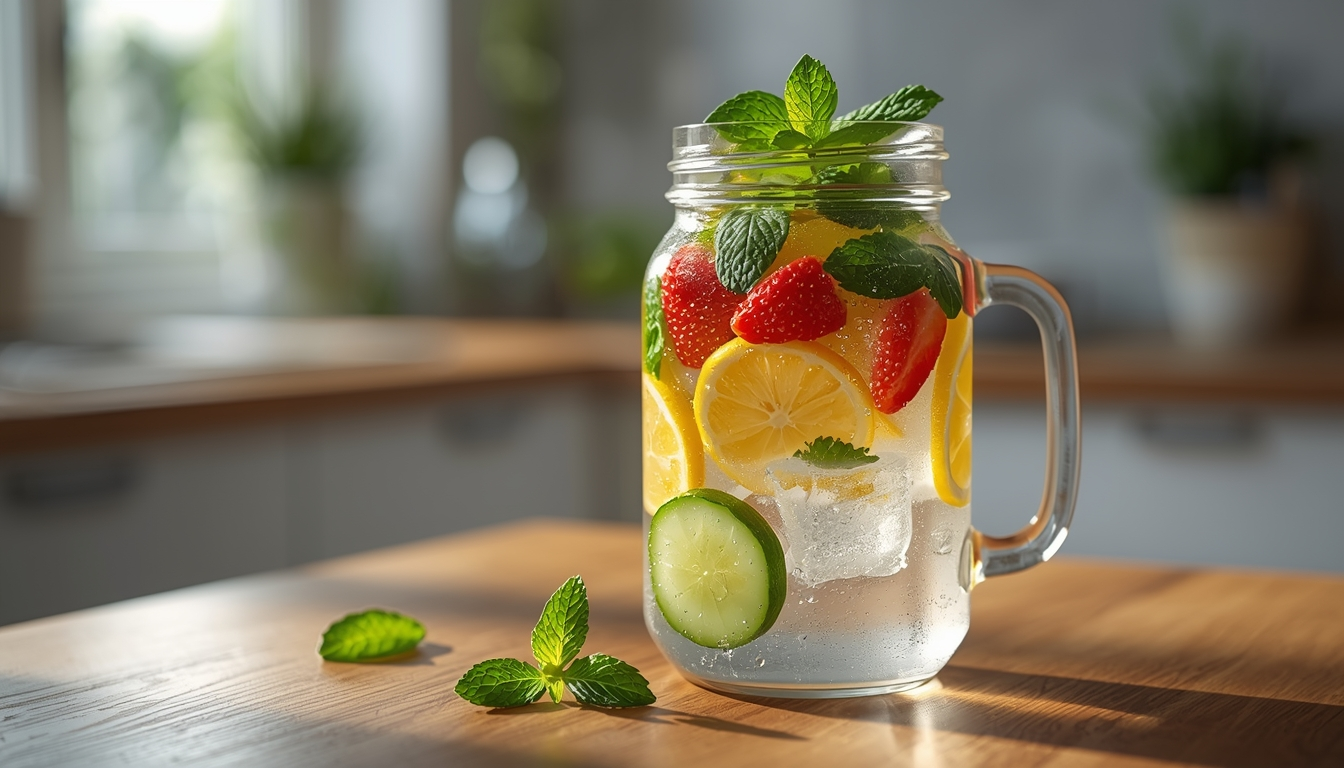
This one has changed a lot of people’s relationships with plain water. The idea is simple: add fruit, herbs, or vegetables to cold water and let them steep for a few hours. What you get is subtly flavored water that feels like a treat without adding meaningful sugar.
The flavoring here is just essence not juice, not syrup. The sugar content from a few slices of cucumber or a handful of mint leaves is negligible.
Best combinations to try:
- Cucumber + mint (cooling, refreshing, weirdly satisfying)
- Lemon + ginger (good for digestion, has a little bite)
- Strawberry + basil (sounds unusual, works beautifully)
- Orange + rosemary (unexpectedly good with meals)
How to make it: Slice your ingredients into a pitcher, fill with cold water, and refrigerate for at least 2 hours. The longer it sits, the stronger the flavor. One pitcher refills 2–3 times before the ingredients lose their punch.
3. Lemon Water
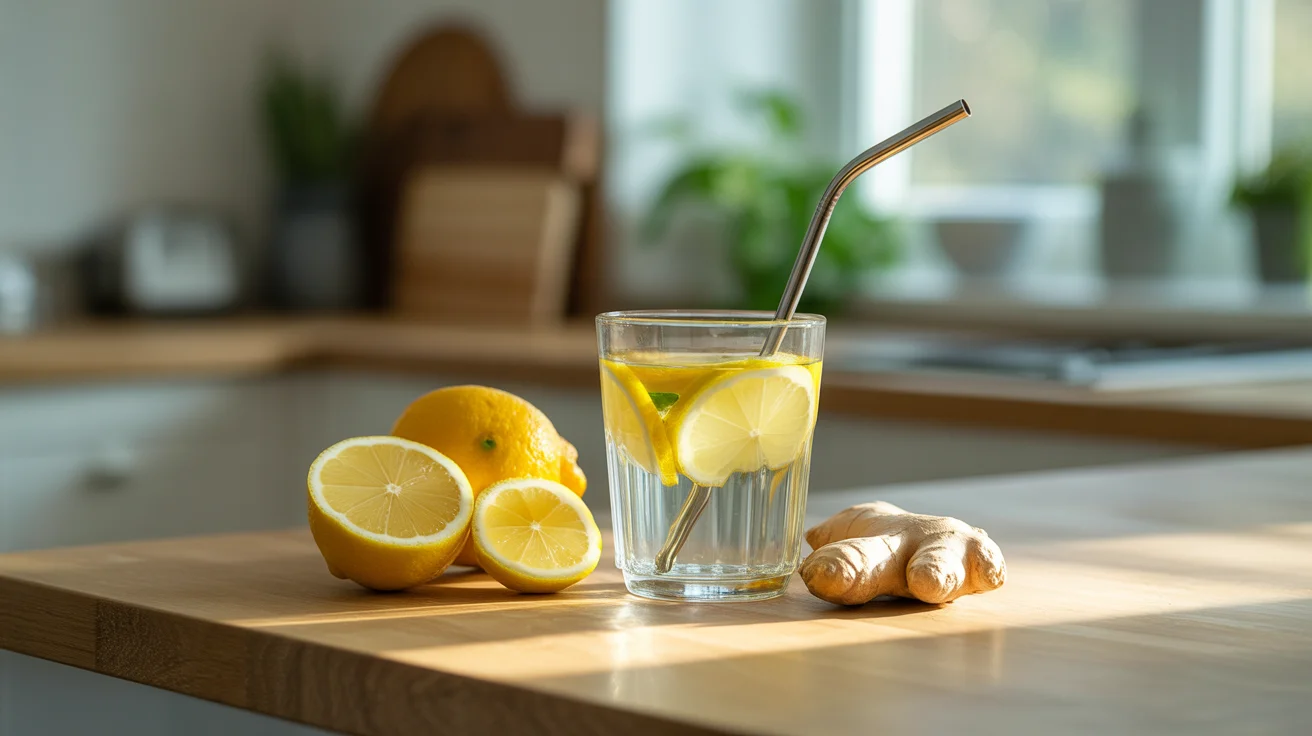
Simple, cheap, and underrated. Squeezing half a lemon into a glass of warm water first thing in the morning is a small habit that adds up.
The benefits here are modest but real. Lemon contains vitamin C, which supports your immune system and helps your body manage cortisol the stress hormone that’s closely linked to belly fat storage. The citric acid supports digestion. And most importantly, starting your morning with 16 ounces of water before you eat anything gives your metabolism a gentle push.
A note: drink it through a straw or rinse your mouth with plain water after. Citric acid is rough on tooth enamel over time.
When to drink it: First thing in the morning, before coffee, before anything else.
4. Green Tea

Green tea might be the most studied drink on this list, and the research genuinely holds up.
The active compound is EGCG, a catechin that helps your body burn fat more efficiently, especially during exercise. On top of that, the moderate caffeine (around 30–40mg per cup, compared to 95mg in coffee) gives you a steady energy lift without the crash.
What makes green tea different from other caffeinated drinks is how that energy feels. Most people describe it as calm focus rather than jitteriness. That’s partly because green tea contains an amino acid called L-theanine that works alongside the caffeine to smooth out the stimulant effect.
Brewing it right: Use water that’s hot but not boiling, around 175-185°F. Boiling water makes green tea bitter. Steep for 2–3 minutes, not longer. Drink it as is, or pour it over ice.
Best times: Morning after lemon water, or mid-afternoon when you’d normally reach for a second coffee.
5. Black Coffee
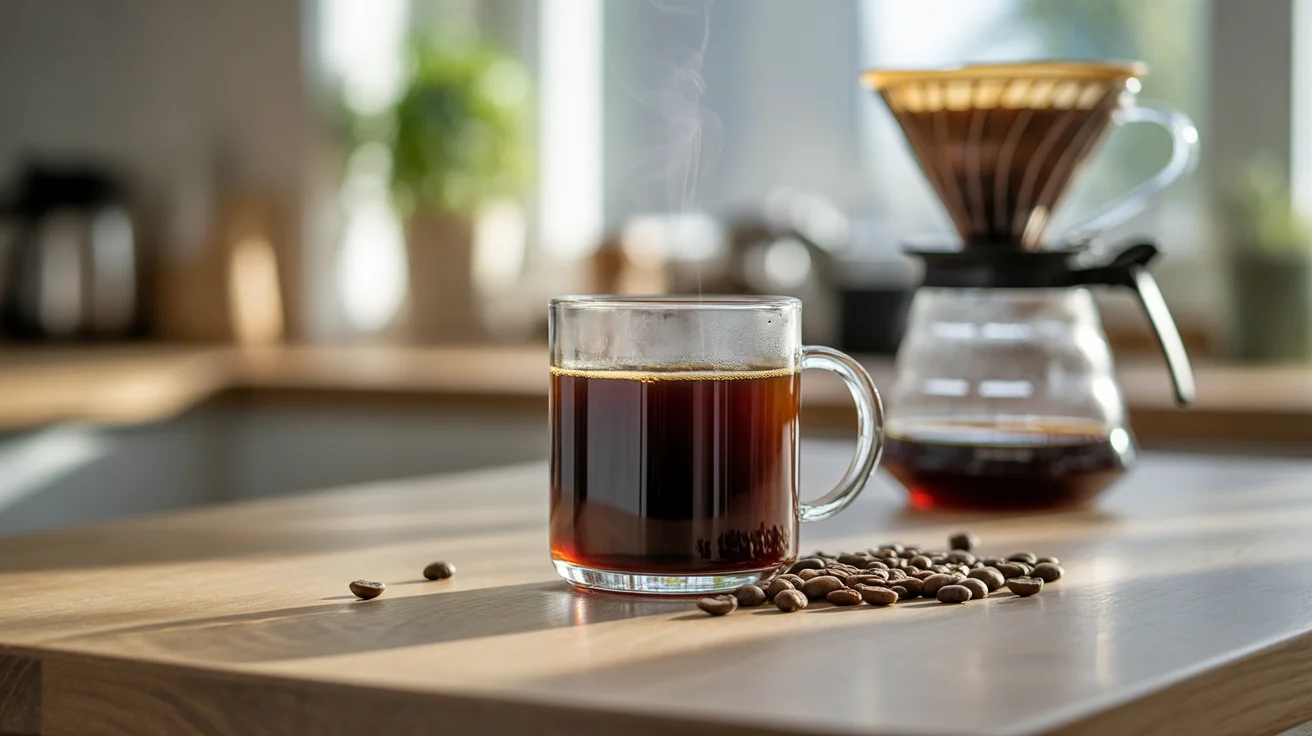
Black coffee is one of the most effective pre-workout drinks that exists, and most people are adding enough sugar and cream to it to cancel out those benefits completely.
Caffeine raises your metabolic rate and increases fat burning during exercise. Chlorogenic acid, another compound in coffee, helps your body manage blood sugar and slows fat absorption from food. These aren’t small effects — studies consistently show that caffeine can boost exercise performance by 10-15%.
The catch, of course, is black coffee. Every pump of syrup, every tablespoon of creamer, undoes those benefits and adds back exactly what you’re trying to cut.
If you hate the taste of black coffee, the problem is usually the coffee quality, not the lack of sugar. Try a single-origin medium roast. Cold brew is naturally less bitter than hot coffee because the cold brewing process changes the chemistry of the extraction.
Timing note: Avoid coffee after 2pm if you care about your sleep. Poor sleep raises hunger hormones the next day and makes weight loss significantly harder.
6. Herbal Tea

Here’s your evening drink. No caffeine, dozens of flavors, and each variety brings something different to the table.
- Chamomile helps you wind down and supports sleep quality, which is genuinely important for weight management, because one night of bad sleep measurably raises your hunger hormones the next day.
- Peppermint relieves bloating and settles digestion after meals
Ginger is anti-inflammatory and great for nausea
- Hibiscus is tart and refreshing, and research shows it may support healthy blood pressure.
The best part? Herbal tea requires no effort. Boil water, drop in a bag, drink it while you do something else. It’s an automatic replacement for the mindless snacking that tends to happen in the evening.
7. Unsweetened Almond Milk
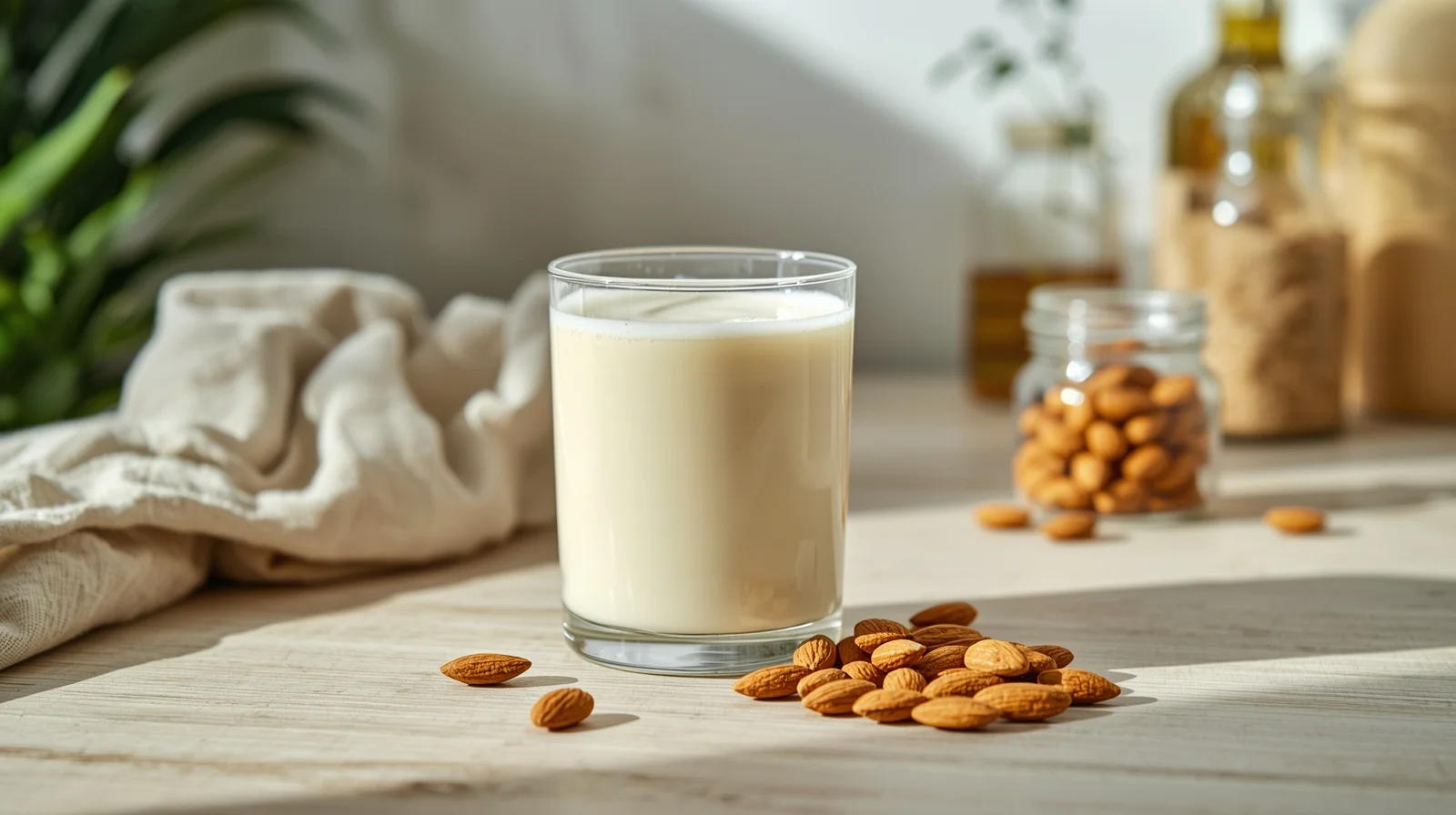
The keyword in that heading is unsweetened. Walk through any grocery store, and you’ll see almond milk in vanilla, chocolate, and “original” flavors. Some of those hit 12–17 grams of added sugar per cup, which is comparable to dairy chocolate milk.
The unsweetened version is genuinely different. Thirty calories per cup versus 150 for whole milk. Naturally low in carbs. Works in coffee, smoothies, overnight oats anywhere you’d normally use milk.
What to look for on the label: “Unsweetened” must actually say unsweetened. “Original” or “natural” does not mean the same thing.
8. Unsweetened Oat Milk
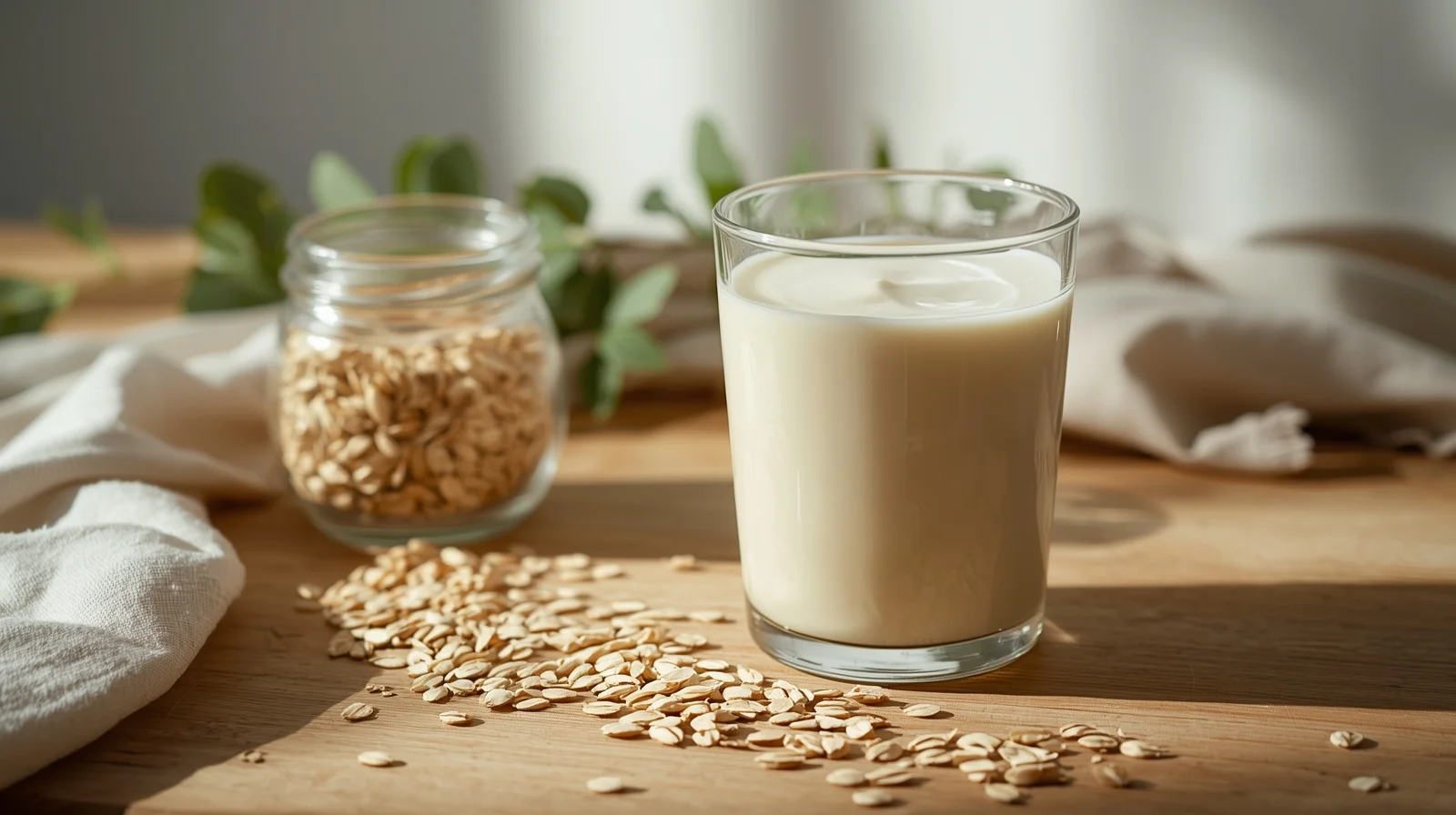
Oat milk has a creamier texture than most plant milks, which is why it’s become the default in coffee shops. The unsweetened version has only naturally occurring sugars from the oats no added sweeteners.
It’s slightly higher in calories than almond milk but brings something useful: beta-glucan fiber, the same fiber found in oatmeal, which supports heart health and keeps you feeling fuller longer.
The same rule applies here: always check the label. The flavored versions are a sugar trap.
9. Low Sugar Kombucha

Kombucha is fermented tea. The fermentation process is what drops the sugar. Bacteria consume most of the initial sugar during fermentation, leaving behind probiotics, organic acids, and a small residual amount.
The gut health benefits are real. Your digestive system is home to trillions of bacteria that affect everything from nutrient absorption to mood to immune function. Probiotic-rich drinks like kombucha help maintain healthy bacterial diversity.
The catch: Not all kombucha is the same. Some brands add sugar back after fermentation to sweeten the taste, which can hit 15+ grams per bottle. Turn the label around. Real kombucha sits between 2 and 6 grams. Anything above 10 grams has been sweetened.
10. Kefir (Plain)
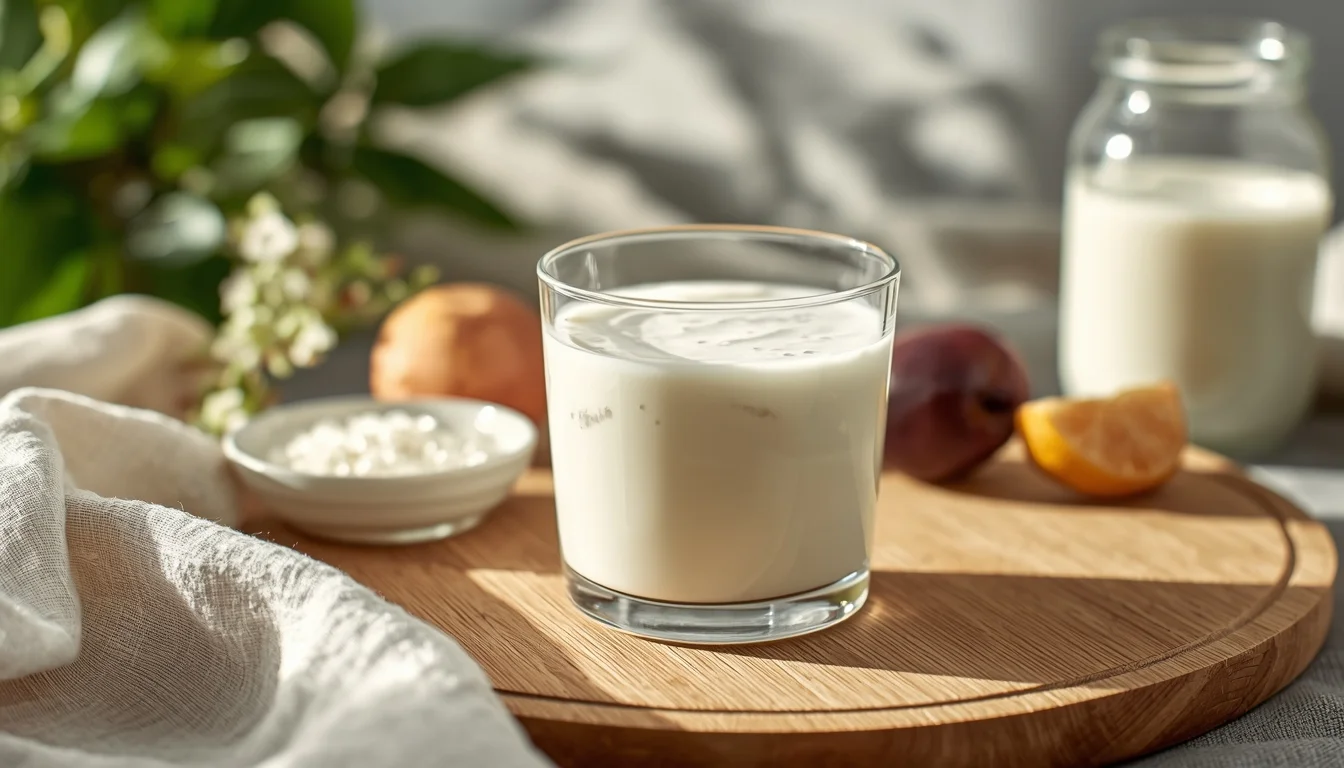
Kefir is like drinkable yogurt fermented milk that contains more probiotic strains than regular yogurt. The 8 grams of sugar here is lactose, the natural milk sugar, not added sweeteners.
What makes kefir interesting is that the fermentation actually partially breaks down lactose, which is why many people who are lactose intolerant handle kefir just fine. The bacteria produce enzymes that digest the lactose for you.
If dairy doesn’t work for you, water kefir is a dairy-free alternative with a similar probiotic profile and only 3–5 grams of sugar.
11. Tomato Juice (Low Sodium)
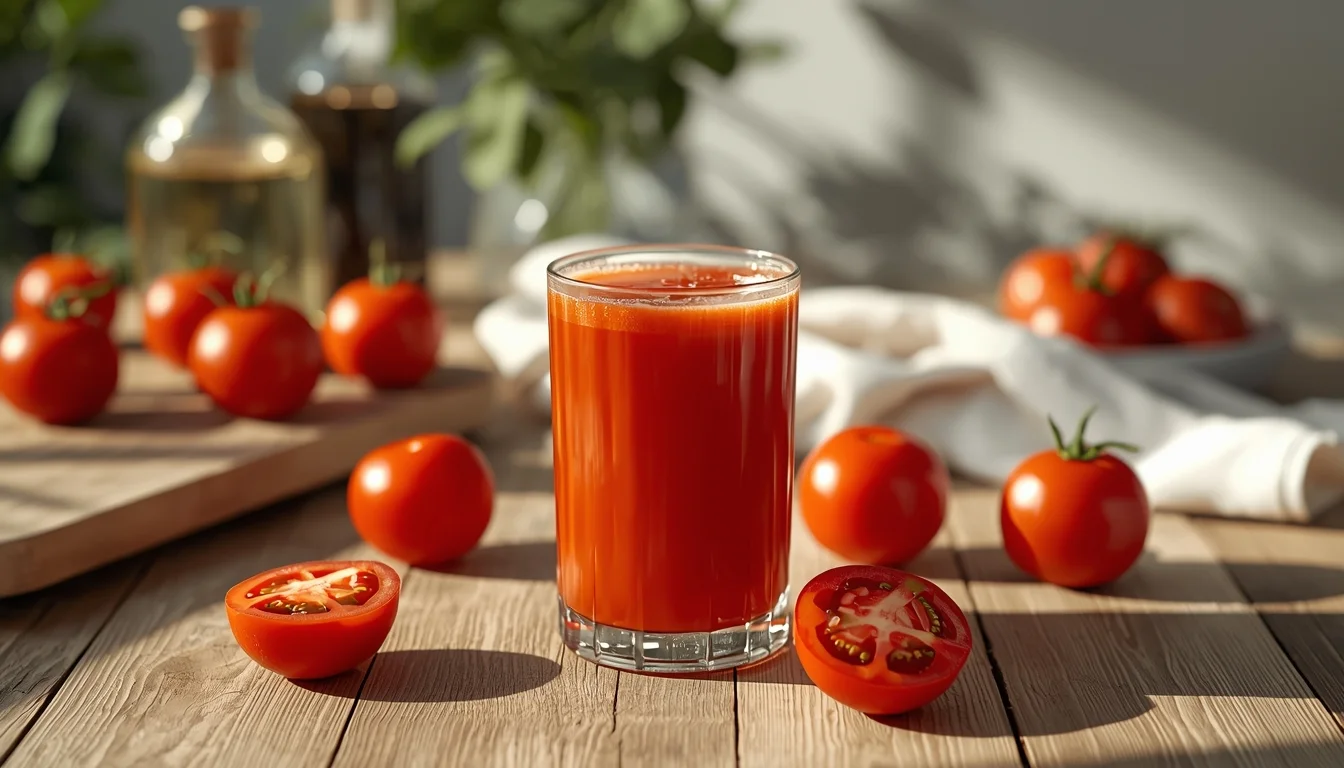
Tomato juice gets overlooked because people associate juice with sugar. But the sugar in tomato juice, 6 grams, is naturally occurring, and it comes packaged with something orange juice doesn’t have: lycopene.
Lycopene is a powerful antioxidant linked to cardiovascular health and reduced inflammation. It actually becomes more bioavailable when tomatoes are processed (cooked or juiced), which is the rare case where processed is better than fresh.
One thing to watch: Sodium. Many tomato juice brands load up on salt some have 600mg or more per cup. Go for the low-sodium version, which should have under 140mg per serving.
12. Coconut Water (Unswe
etened)

Coconut water is the best natural electrolyte drink available. One cup contains about 600mg of potassium, more than a banana, along with magnesium, calcium, and sodium. For post-workout recovery, it rehydrates effectively without the 14 grams of added sugar you get from most sports drinks.
The catch, again, is the label. “Coconut water” on the front means nothing if it’s sweetened. Flip it over. Unsweetened coconut water has naturally occurring sugar. Sweetened versions can push into the 15–20g range.
When it makes sense: After moderate exercise (30–60 minutes). For intense workouts, you may need additional sodium coconut water alone won’t fully cut it.
13. Sugar-Free Electrolyte Drinks
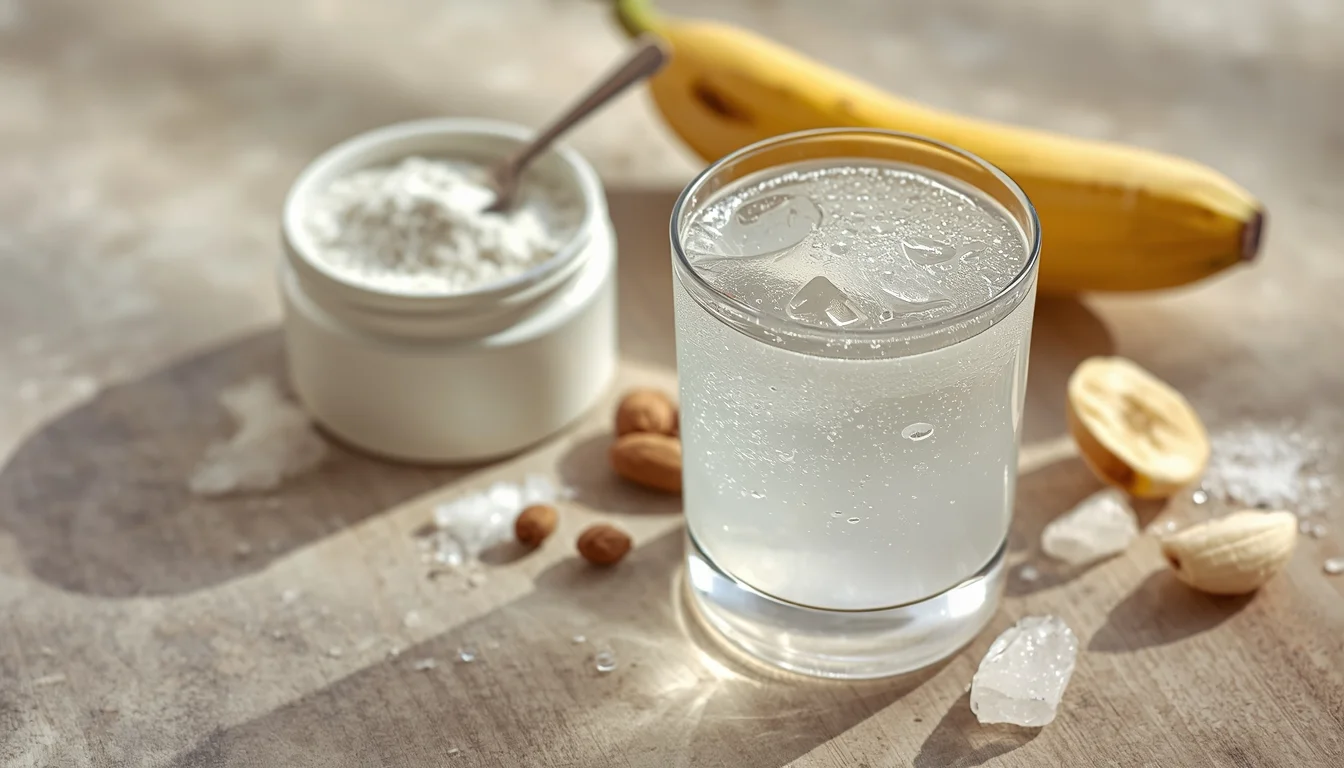
Standard sports drinks are marketed as health products. Most contain 14+ grams of sugar and are designed for endurance athletes running for 90+ minutes not someone doing a 45-minute gym session.
Sugar-free electrolyte powders or tablets give you sodium, potassium, and magnesium the three minerals you actually lose in sweat without the sugar spike. They’re particularly useful if you exercise in heat, sweat heavily, or deal with muscle cramps.
If you want zero cost, a pinch of sea salt in your water does the job for most people. Sodium is the most important electrolyte for everyday hydration, and most of us aren’t getting enough.
14. Protein Shakes
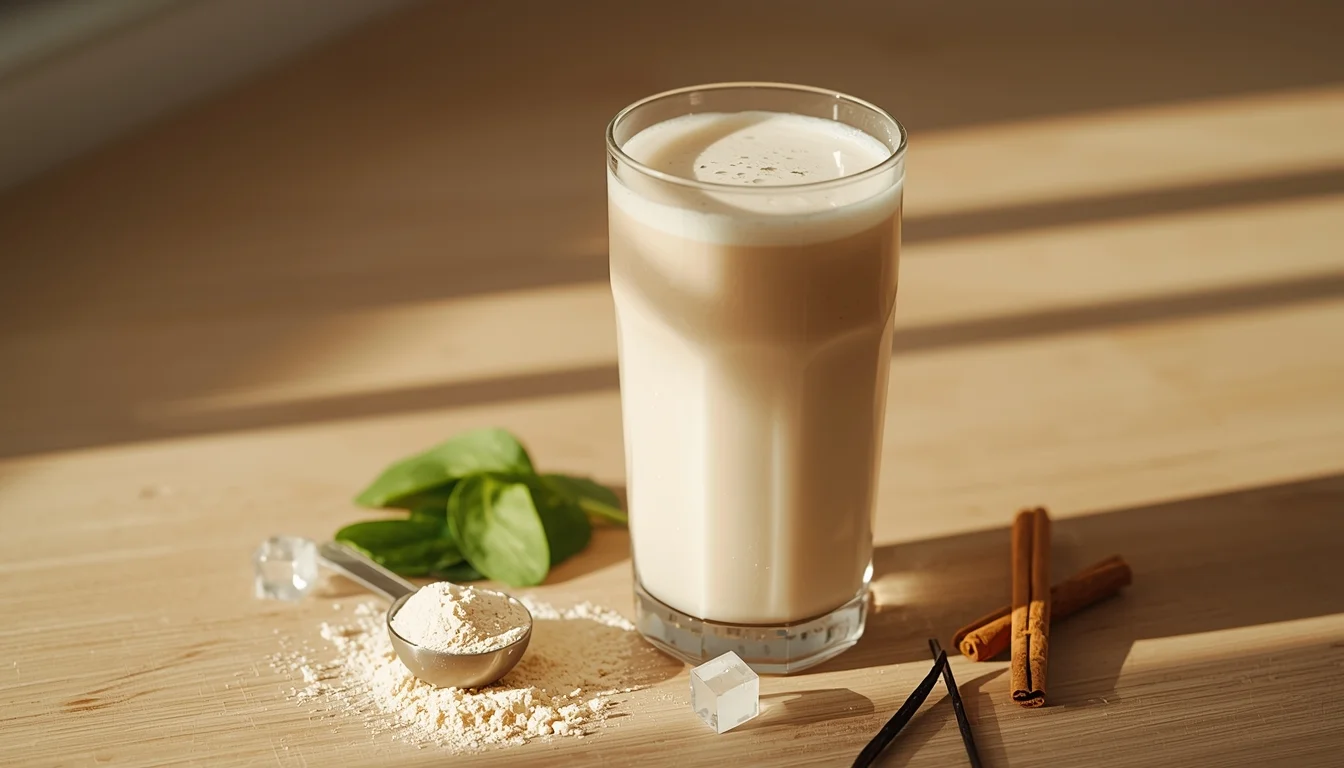
Protein is the most satisfying macronutrient by a long shot. It keeps you full longer than carbs or fat, it preserves muscle when you’re in a calorie deficit, and high-protein diets consistently show better weight-loss results in studies.
A well-made protein shake can replace a meal, bridge the gap between meals, or serve as a post-workout recovery drink all without spiking your blood sugar.
The formula that actually works:
- 1 scoop of plain or vanilla protein powder (whey or plant-based, your preference)
- 8 oz unsweetened almond milk (saves 120 calories vs. whole milk)
- Large handful of spinach (you won’t taste it, promise)
- 3–4 ice cubes
- Optional: a pinch of cinnamon, which has a naturally sweet taste and helps regulate blood sugar
What to avoid: Pre-flavored protein powders loaded with artificial sweeteners, and ready-made protein shakes that often have 10–15 grams of added sugar hidden in them.
15. Prebiotic Sodas

If soda is your thing, the carbonation, the sweetness, and the ritual of cracking open a can of prebiotic sodas are the most sustainable replacement on this list.
They’re formulated to satisfy soda cravings while adding prebiotic fiber, which feeds the beneficial bacteria in your gut. Brands like Olipop and Poppi have become mainstream because they actually taste good, not like health food, while keeping sugar in the 2–5 gram range versus 39 grams in regular soda.
They’re not magic. But as a once or twice daily soda replacement for someone who genuinely can’t give up soda? They work.
The 5 Label Traps That Fool Most People
The drinks above are genuinely good choices. But walk through a grocery store, and you’ll find similar-looking products designed to look healthy while delivering a sugar hit. Here’s what to watch for.
“Natural sugar” isn’t a free pass. Agave, honey, coconut sugar, and date syrup all count as added sugars. Your body processes them the same way it processes table sugar. The only sugars you don’t need to worry about are those naturally present in the whole food itself (like the lactose in plain kefir or the fructose in a piece of actual fruit).
Serving size manipulation. A 20-ounce bottle labeled as “2.5 servings” shows you 10 grams of sugar on the label. You’re going to drink the whole bottle, which is 25 grams. Always multiply.
“Light” and “low calorie” don’t mean low sugar. These terms have specific regulatory meanings that don’t include sugar content. A “light” lemonade can still have 18 grams of sugar.
Flavored plant milks. Vanilla oat milk, chocolate almond milk these routinely hit 12–17 grams of added sugar per cup. Always buy unsweetened and add flavor yourself if needed.
Bottled teas. Many bottled green teas have more sugar than a sports drink. The health benefits of tea come from unsweetened tea. Sweetened tea is just tea-flavored sugar water.
A Day of Low Sugar Drinking (Realistic Schedule)
You don’t have to overhaul everything at once. Here’s what a practical day looks like:
Morning (before breakfast): 16 oz lemon water. Warm, first thing. This hydrates you after sleep, gives your digestion a start, and means you’re already ahead on water intake before you’ve eaten anything.
Breakfast: Black coffee or green tea. Skip the milk options at breakfast let the caffeine work clean.
Mid-morning: Infused water or plain sparkling water. Something to sip at your desk instead of reaching for a second coffee.
Lunch: 16 oz plain water. Drinking water before and during meals reduces how much you eat without you noticing.
Afternoon slump (2–3pm): Green tea instead of a second coffee (saves you from the 2am insomnia), or a prebiotic soda if you want something more interesting.
Post-workout: Coconut water if you exercised moderately, or a protein shake if you lifted weights or exercised for more than an hour.
Evening: Herbal tea. Chamomile or peppermint. No caffeine, nothing that will interfere with sleep.
Week One: How to Actually Start
Total Monthly Savings: $352 by preparing beverages at home while reducing packaging waste.
Common Mistakes When Choosing Low Sugar Drinks
The mistake most people make is trying to change everything at once. That’s how you end up back where you started by day four.
Day 1–2: Identify your biggest sugar drink habit. Is it the morning juice? The afternoon soda? The post-gym sports drink? Just that one. Replace only that one drink this week.
Day 3–5: Add lemon water every morning before anything else. This takes about 30 seconds and costs almost nothing.
Day 6–7: Evaluate. Did you actually drink less sugar this week? Did you notice any difference in energy or hunger? One week of one change is enough to get real data on your own body.
Week 2 onward: Add one more replacement per week. By week four, you’ve changed four drinks without ever feeling like you were on a diet.
Will This Actually Help?
Yes, but with honesty about what “help” means.
Removing liquid calories is one of the most effective things you can do for weight management because liquid calories are invisible. They don’t register in your brain the way food does. They don’t reduce how hungry you feel at your next meal.
Eliminating one 12-ounce soda per day removes 150 calories and over 50,000 calories across a year, theoretically 14 pounds of fat, from one single swap.
In practice, results are smaller than theoretical calculations suggest, because people tend to compensate in other ways. But the research is detailed: people who reduce sugary beverages consistently lose more weight and maintain it better than those who focus only on food.
The drinks on this list won’t do the work for you. But they’ll stop working against you, and that’s a better starting point than most people have.
FAQ's
Can I drink all of these every day?
You can include multiple options throughout the day. The only thing to watch is caffeine cap it at around 3–4 cups of caffeinated drinks daily, and cut off coffee and green tea by early afternoon if sleep is important to you (it should be).
Will switching drinks make me lose weight without changing my diet?
Possibly, if your current diet is otherwise decent and sugary drinks are your main issue. Realistically, removing liquid sugar is one piece of a larger picture but it’s a uniquely high-impact piece because liquid calories are so easy to overlook.
What about diet sodas?
Diet sodas are complicated. The zero-calorie aspect is real and useful for people transitioning away from regular soda. The concerns about artificial sweeteners affecting gut bacteria and potentially influencing cravings are also real, though the research is still developing. The practical answer: use diet soda as a bridge, not a destination. The drinks on this list are better long-term choices.
How quickly will I notice a difference?
Blood sugar stability often improves within a few days of cutting sugary drinks you’ll notice fewer energy crashes and steadier hunger levels. Visible weight changes take 2–4 weeks when you’re consistently replacing high-sugar drinks with these options. Metabolic markers like cholesterol and blood pressure typically take 6–12 weeks.
What if I’m always craving sweet drinks?
Start with prebiotic sodas or infused water with a lot of fruit. The goal is to gradually reset your palate, not punish yourself for having preferences. Most people find their taste for sweetness decreases significantly after a few weeks of less sugar; things that used to taste normal start tasting overwhelming.
Final Thought
There’s no drink on this list that requires you to suffer, spend a lot of money, or develop a taste for something you hate.
That’s actually the point. Sustainable change isn’t about willpower; it’s about making the right choice easier than the wrong one. If your fridge has sparkling water with lemon instead of soda, you’ll drink sparkling water with lemon. It’s that simple, and that unsexy.
Start with one swap this week. Just one. See how it feels. Then decide what’s next.